

Introduction
Cultured stone siding has become an increasingly popular choice for homeowners looking to enhance the aesthetics and durability of their homes. This versatile material offers a wide range of design options, allowing homeowners to achieve the look of natural stone without the high cost and maintenance associated with traditional stone siding. In click this , we will explore the many benefits of cultured stone siding, its installation process, maintenance requirements, and design options to help you make an informed decision for your home.
Chapter 1: Understanding Cultured Stone Siding
Cultured stone siding, also known as manufactured stone veneer, is a man-made material designed to replicate the look and feel of natural stone. It is made from a mixture of Portland cement, lightweight aggregates, and iron oxide pigments, which are molded and colored to mimic the appearance of various types of natural stone, such as limestone, granite, and slate. Cultured stone siding is available in a wide range of colors, textures, and shapes, allowing homeowners to achieve a customized look that complements their home's architectural style.
One of the key advantages of cultured stone siding is its affordability compared to natural stone. Natural stone siding can be prohibitively expensive due to the cost of quarrying, transportation, and installation. Cultured stone siding offers a cost-effective alternative that allows homeowners to achieve the look of natural stone at a fraction of the price. Additionally, cultured stone siding is lightweight and easy to install, making it a practical choice for both new construction and remodeling projects.
Chapter 2: Benefits of Cultured Stone Siding
There are numerous benefits to choosing cultured stone siding for your home. One of the main advantages is its durability and longevity. Cultured stone siding is resistant to fading, chipping, and cracking, making it a low-maintenance option that can withstand the elements for years to come. Unlike natural stone, which can be prone to weathering and erosion over time, cultured stone siding retains its color and texture, preserving the beauty of your home's exterior.
Another benefit of cultured stone siding is its versatility in design. With a wide range of colors, shapes, and textures available, homeowners can create a custom look that complements their home's architecture and landscaping. Cultured stone siding can be used to accentuate architectural features, create focal points, or add visual interest to an otherwise plain facade. Whether your home is traditional, modern, or rustic, there is a cultured stone siding option to suit your aesthetic preferences.
In addition to its aesthetic appeal, cultured stone siding also offers energy efficiency benefits. The insulating properties of the material help to regulate indoor temperatures, reducing heating and cooling costs throughout the year. By adding a layer of cultured stone siding to your home's exterior, you can improve its overall energy efficiency and comfort levels, while also enhancing its curb appeal and resale value.
Chapter 3: Installation Process of Cultured Stone Siding
Installing cultured stone siding is a relatively straightforward process that can be completed by experienced DIYers or professional contractors. The first step in the installation process is to prepare the surface of the exterior wall by cleaning it and applying a weather-resistant barrier, such as house wrap or building paper. This barrier helps to prevent water infiltration and moisture damage, ensuring the longevity of the cultured stone siding.
Next, metal lath is installed over the weather-resistant barrier to provide a secure base for the cultured stone veneer. The lath is attached to the wall using corrosion-resistant fasteners, creating a sturdy substrate for the stone veneer to adhere to. Once the lath is in place, a scratch coat of mortar is applied to the surface, providing a rough texture for the stone veneer to grip onto.
The cultured stone veneer is then applied to the scratch coat using a special mortar mix, which is troweled onto the back of each stone and pressed firmly against the wall. Care should be taken to ensure proper alignment and spacing between the stones, creating a cohesive and visually appealing finish. Once the mortar has cured, any excess material is removed, and the joints are filled with grout to complete the installation.
Chapter 4: Maintenance and Care of Cultured Stone Siding
While cultured stone siding is a durable and low-maintenance material, it does require some care to keep it looking its best over time. Regular cleaning is essential to remove dirt, debris, and organic growth that can accumulate on the surface of the stone veneer. A solution of mild detergent and water can be used to gently scrub the siding, followed by rinsing with clean water to remove any residue.
In addition to cleaning, it is important to inspect the cultured stone siding periodically for signs of damage or wear. Cracks, chips, or loose stones should be repaired promptly to prevent further deterioration and maintain the integrity of the siding. If any issues are identified, it is recommended to consult with a professional contractor to assess the damage and recommend appropriate repairs.
To protect the longevity of your cultured stone siding, it is also advisable to seal the surface periodically with a breathable, water-based sealer. This helps to prevent moisture infiltration, UV damage, and staining, while enhancing the color and texture of the stone veneer. Sealing should be done according to the manufacturer's recommendations and may need to be reapplied every few years to maintain optimal protection.
Chapter 5: Design Options for Cultured Stone Siding
Cultured stone siding offers a wide range of design options to suit various architectural styles and personal preferences. Whether you prefer a traditional, rustic, or contemporary look, there is a cultured stone siding option that can enhance the beauty of your home's exterior. Some popular design choices include:
1. Stacked Stone: Stacked stone siding features irregularly shaped stones that are stacked on top of each other to create a natural, textured appearance. This design is well-suited for rustic or traditional homes and can add depth and character to the facade.
2. Fieldstone: Fieldstone siding features smooth, rounded stones in a variety of sizes and colors, mimicking the look of stones found in a natural field. This design is versatile and works well with a range of architectural styles, from colonial to modern.
3. Limestone: Limestone siding offers a classic, refined look with its soft, muted colors and smooth texture. This design is ideal for homes with a traditional or European-inspired aesthetic, adding a touch of elegance to the exterior.
4. Brick: Brick veneer is another popular option for cultured stone siding, offering a timeless and durable choice for homeowners. Brick siding comes in a variety of colors and textures, allowing for endless design possibilities that can complement any home style.
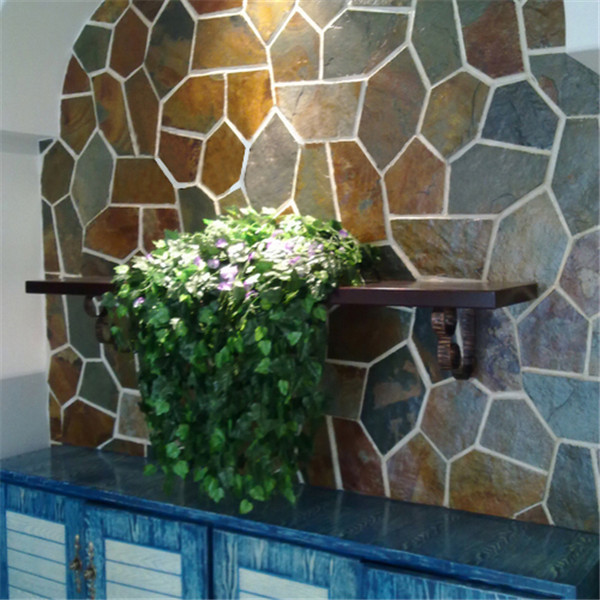
5. Slate: Slate siding replicates the look of natural slate with its rich, earthy tones and textured surface. This design is perfect for homes with a contemporary or modern design aesthetic, adding a sophisticated touch to the exterior.
Conclusion
Cultured stone siding is a versatile and cost-effective option for homeowners looking to enhance the beauty and durability of their homes. With its wide range of design options, easy installation process, and low maintenance requirements, cultured stone siding offers a practical and stylish solution for transforming your home's exterior. Whether you prefer a traditional, rustic, or contemporary look, there is a cultured stone siding option to suit your aesthetic preferences and budget. By choosing cultured stone siding for your home, you can enjoy the timeless elegance and lasting durability of natural stone without the high cost and maintenance associated with traditional stone siding.